
Counselling in Dublin 2
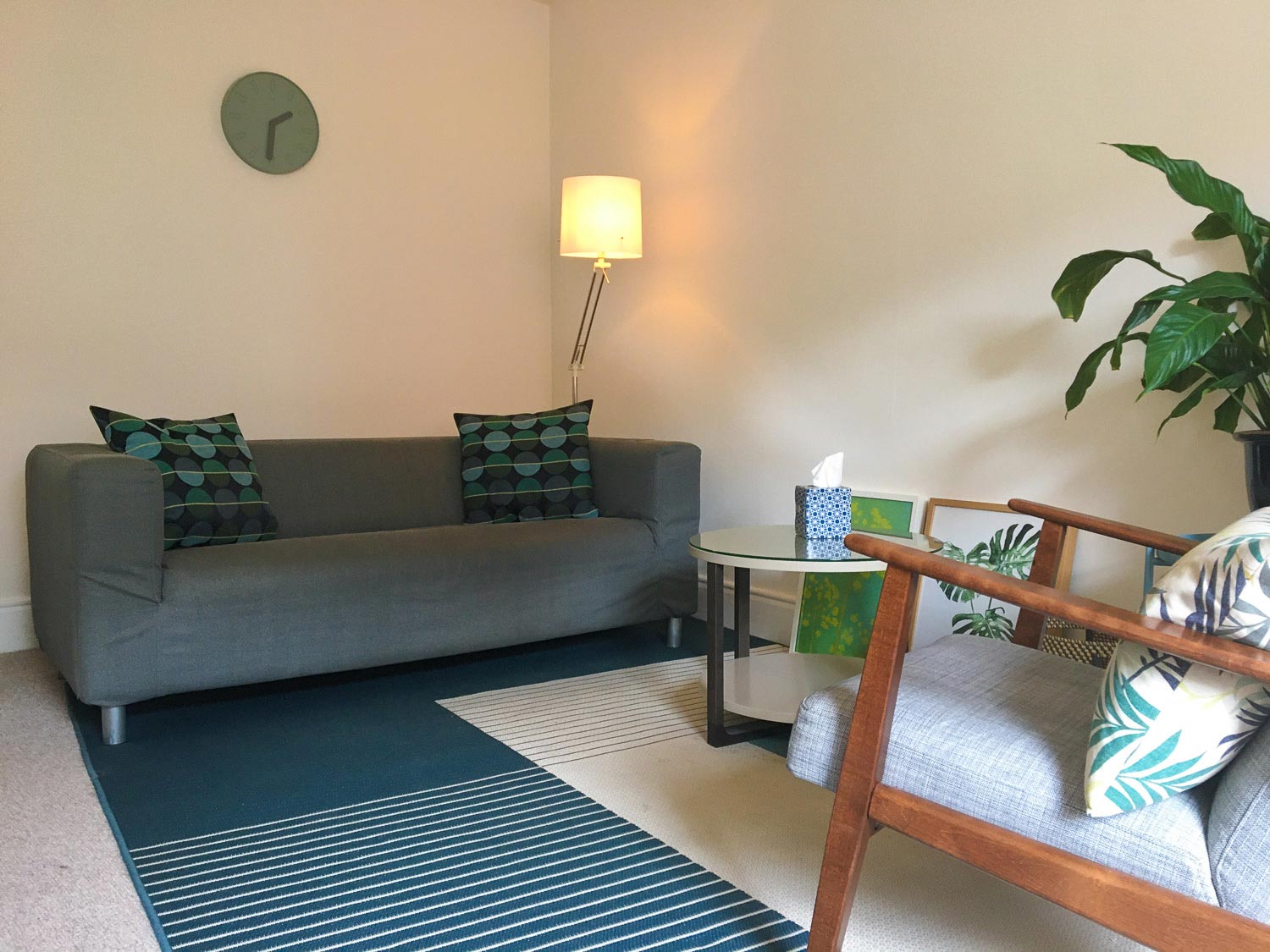
Counselling offers a safe, confidential space to talk through whatever is troubling you, with someone who is trained to really listen. Sometimes simply being heard, without judgement, is where change begins.
Life brings challenges that we can't always manage on our own. A bereavement, a relationship ending, stress at work, worry that won't switch off — these things can leave us feeling stuck, overwhelmed or alone. Talking to a qualified counsellor gives you the time and space to sort through what is happening, make sense of your feelings and find better ways to cope.
Your counsellor won't tell you what to do or judge the choices you have made. Instead, they will listen with empathy and unconditional positive regard, helping you to explore the issues affecting you today at your own pace. Many people find that speaking their worries aloud in a supportive space brings a clarity and relief that is hard to find anywhere else.
People often ask about the difference between counselling and psychotherapy. Broadly speaking, counselling tends to focus on a particular issue or life event in the present, over a shorter period, while psychotherapy usually works at greater depth over a longer time, exploring how patterns from the past shape our lives today. In practice the two overlap a great deal, and many of our practitioners are trained in both. You can read more in our Introduction to Counselling & Psychotherapy.
The counsellors at The Iveagh Practice are fully accredited and insured, and each brings their own way of working. What they share is a commitment to providing a warm, non-judgemental space where you can speak openly and be met with understanding and respect. Sessions usually take place weekly at the same day and time and last 50 to 60 minutes.
In-person sessions take place at either of our practices in Dublin city centre — 13 Fade Street, Dublin 2 or 37 Wexford Street, Dublin 2 — both just a few minutes' walk from Grafton Street and George's Street.
Cost shouldn't be a barrier to getting support. If affordability is a concern, we also offer a low cost therapy option with pre-accredited counsellors working on a sliding scale.
Some issues counselling can help with:
- Anxiety and stress
- Bereavement, loss and grief
- Relationship difficulties and break-ups
- Depression and low mood
- Life transitions — a new job, a move, retirement, becoming a parent
- Work place issues and related stresses
- Low self-confidence and self-esteem
- Loneliness and isolation
- Family difficulties
- Anger and frustration
- Feeling stuck or overwhelmed
- Coping with illness or a health diagnosis
Taking the first step
Starting counselling can feel daunting — you don't need to have everything figured out before you begin. Just showing up is enough. Browse our counsellors below, or use our Find a Therapist page to be matched with someone who suits your needs. If you're not sure where to start, contact us and we will gladly point you in the right direction.
When counselling is a good fit
Counselling is often the right place to start when something specific has happened, or is happening now, and you want support to get through it. It tends to be more focused than psychotherapy and to run over a shorter period. Some people come for a handful of sessions, others for a few months. You and your counsellor decide together how long is useful, and you can review that as you go.
You do not need to be in crisis to come, and no problem is too small. If something is on your mind most days, or you notice you are not quite yourself, that is reason enough to talk to someone.
Life events people bring to counselling
Here are some of the things people most often come to counselling with, and a few of the counsellors here who list them among their areas of experience. Every therapist's profile sets out how they work and what they work with, so it is worth reading a few.
- Bereavement and loss. The death of someone close, or another loss that has knocked you sideways. Grief does not keep to a timetable, and counselling gives it room. Erich Keller, Ebru Nuhoglu Reilly and Sarah McLoughlin all work with bereavement and loss.
- A relationship ending, or going through a hard patch. A break-up, a separation, or a falling-out with family or friends. Clare Flynn and Bertilla Reynolds both work with relationship difficulties. If you and your partner want to come together, see couples counselling.
- Stress, work pressure and burnout. Long hours, a difficult workplace, exams, or simply too much for too long. Sarah McLoughlin works with stress, burnout, work-related issues and academic pressures, and Bertilla Reynolds knows the pressures of the corporate world from her own career before becoming a therapist.
- Anxiety and worry. Worry that will not switch off, or anxious thoughts that start to get in the way of daily life. Erich Keller has particular experience with anxious thinking and intrusive thoughts, and Ebru Nuhoglu Reilly also works with anxiety and stress.
- Life changes. A new job or losing one, moving house or moving country, retirement, or becoming a parent. Sarah McLoughlin and Ebru Nuhoglu Reilly both work with life transitions.
- Low mood. Feeling flat, tired of everything, or not enjoying things the way you used to. Anna Wolniak and Trish Nelis Kenny both work with low mood.
- Confidence and self-esteem. Bertilla Reynolds and Sarah McLoughlin both list self-esteem among the areas they work with.
- Neurodiversity. Daiana Sobih has a postgraduate diploma in neurodiversity-informed psychotherapy, and Sarah McLoughlin and Martin O'Gorman also work with neurodivergent clients.
Counselling is not an emergency service. If you are in crisis, please contact your GP or the emergency services, or call Samaritans free on 116 123. There are more support services on our useful links page.
How to choose a counsellor
There is no single right way to choose, but these are worth thinking about.
- Their experience with what you are going through. Most profiles list the areas a counsellor works with most. If yours is there, that is a good sign.
- Qualifications and accreditation. Look for a recognised qualification in counselling or psychotherapy and membership of a professional body. Many of the counsellors here are members of the IACP (Irish Association for Counselling and Psychotherapy) or IAHIP (Irish Association of Humanistic and Integrative Psychotherapy). Accredited members have met their body's standards for training and supervised practice. Pre-accredited members are qualified and working towards accreditation. Every therapist here carries professional insurance.
- A language you are comfortable in. Some people find it easier to talk about feelings in their first language. Daiana Sobih offers counselling in Italian, and Anna Wolniak works in Polish, as well as English.
- Days and times you can manage. Counselling works best when you can come regularly for the weeks or months you need, so pick someone whose hours fit around your week.
- Which building suits you. One of our centres may be handier for your work or your commute than the other.
- How you feel with them. Trust your instinct. If you feel heard and comfortable, you are in the right place.
Your first counselling session
Most first sessions start with your counsellor asking what has brought you and how things have been for you lately. You do not need a clear story or the right words. Plenty of people start with "I'm not sure where to begin", and that is fine.
By the end of the session you should have a sense of whether this person feels right for you, and a rough idea of how you might work together, such as how often you would meet. You are not committing to anything by going once.
Many therapists are happy to have a short chat first, before you book a session. That is each therapist's own choice, so check their profile or ask them.
Counsellors at The Iveagh Practice
More than twenty psychotherapists and counsellors see clients across our two buildings, and many of them are trained in both counselling and psychotherapy. Among them are a counselling psychologist, Dr. A. Paul McKeever, and Siobh McGrane, who offers addiction counselling. Each works independently and keeps their own hours, so there is a good choice of people and times.
You can see our counsellors below, or browse all our therapists. Find a Therapist asks what you would like help with and the days and times that suit you, which makes it easier to narrow things down.
Counselling in Dublin 2, around your week
Both of our centres are in Dublin 2, under ten minutes' walk from each other, so it is easy to fit a session around work, college or the rest of your day in town.
- 13 Fade Street, D02 RR22. A short street just off South Great George's Street, a few minutes' walk from Grafton Street. Rooms are on the first, second and third floors.
- 37 Wexford Street, D02 F652. On the stretch between Camden Street and Aungier Street, a few minutes' walk from St Stephen's Green and the Luas Green Line. Rooms are on the first and second floors.
The centres are open Monday to Thursday from 8am to 10pm, and Friday to Sunday from 8am to 7pm. That means sessions before work, in the evening or at the weekend are all possible, depending on the counsellor. There is paid parking close to both buildings. Please note that the rooms are reached by stairs only, as there is no lift in either building.
Questions about counselling
- How many counselling sessions will I need?
- It depends on what you bring and what you want from it. Some people come for a handful of sessions, others for a few months. You and your counsellor will talk about it at the start and review it as you go, and you can stop whenever you choose.
- What if I do not know what to say?
- That is very common, especially at the start. Your counsellor is used to helping people begin, and there is no wrong place to start. Silences are fine too.
- Can counselling help if I am not sure what is wrong?
- Yes. Plenty of people come because they feel stuck, flat or overwhelmed without quite knowing why. Working that out together is part of what counselling is for.
- Can I see a counsellor in the evening or at the weekend?
- Often, yes. The centres are open Monday to Thursday from 8am to 10pm, and Friday to Sunday from 8am to 7pm. Each counsellor sets their own hours within that, so check with them which days and times they work.
- Can I go back to counselling later if something else comes up?
- Yes. Many people come to counselling at different points in their lives. You are welcome to contact the same counsellor again, or someone new, whenever you need to.
There are more answers on our frequently asked questions page.
- Read our Introduction to Counselling & Psychotherapy.
- Read about Individual Psychotherapy in Dublin.
- Find out more about our Online Therapy options.
- Learn about our Low Cost Therapy service.
Our Counsellors

Siobh McGrane
Psychotherapy · Counselling · Addiction Counselling
View Profile
Trish Nelis Kenny
Psychotherapy · Counselling
View Profile
Bertilla Reynolds
Psychotherapy · Counselling · Low Cost Therapy
View Profile
Caroline Maher
Couples Counselling · Psychotherapy
View Profile
Clare Flynn
Psychotherapy · Counselling · CBT
View Profile
Daiana Sobih
Psychotherapy · Counselling
View Profile
Ebru Nuhoglu Reilly
Psychotherapy · Counselling · Low Cost Therapy
View Profile
Erich Keller
Psychotherapy · Counselling
View Profile
Lucy Carr
Psychoanalytic Psychotherapy · Low Cost Therapy
View Profile
Laura Garbataviciute
Psychoanalytic Psychotherapy · Low Cost Therapy
View Profile
Linda Mc Dermott
Psychotherapy · Counselling
View Profile
Lorraine Galligan
Psychotherapy · Counselling
View Profile
Lorraine Hackett
Couples Counselling · Psychotherapy
View Profile
Martin O'Gorman
Psychotherapy · Couples Counselling
View Profile
Mallika Lancaster
Psychotherapy · Counselling
View Profile
Milly Burke Cunningham
Psychotherapy · Counselling
View Profile
Olivia Naughton
Psychotherapy · Counselling
View Profile
Dr. A. Paul McKeever
Counselling Psychologist
View Profile
Sarah McLoughlin
Psychotherapy · Counselling
View Profile
Fionnuala Morrin
Psychotherapy
View Profile
Anna Wolniak
Psychoanalytic Psychotherapy · Low Cost Therapy
View Profile
Gráinne Noone
Psychotherapy · Counselling · CBT
View Profile
Joe Kelly
Psychotherapy · Counselling
View Profile