
Couples Counselling, Dublin
Relationship counselling can be beneficial for couples who are experiencing difficulties in their relationship which can manifest as conflict, arguments and emotional distance.
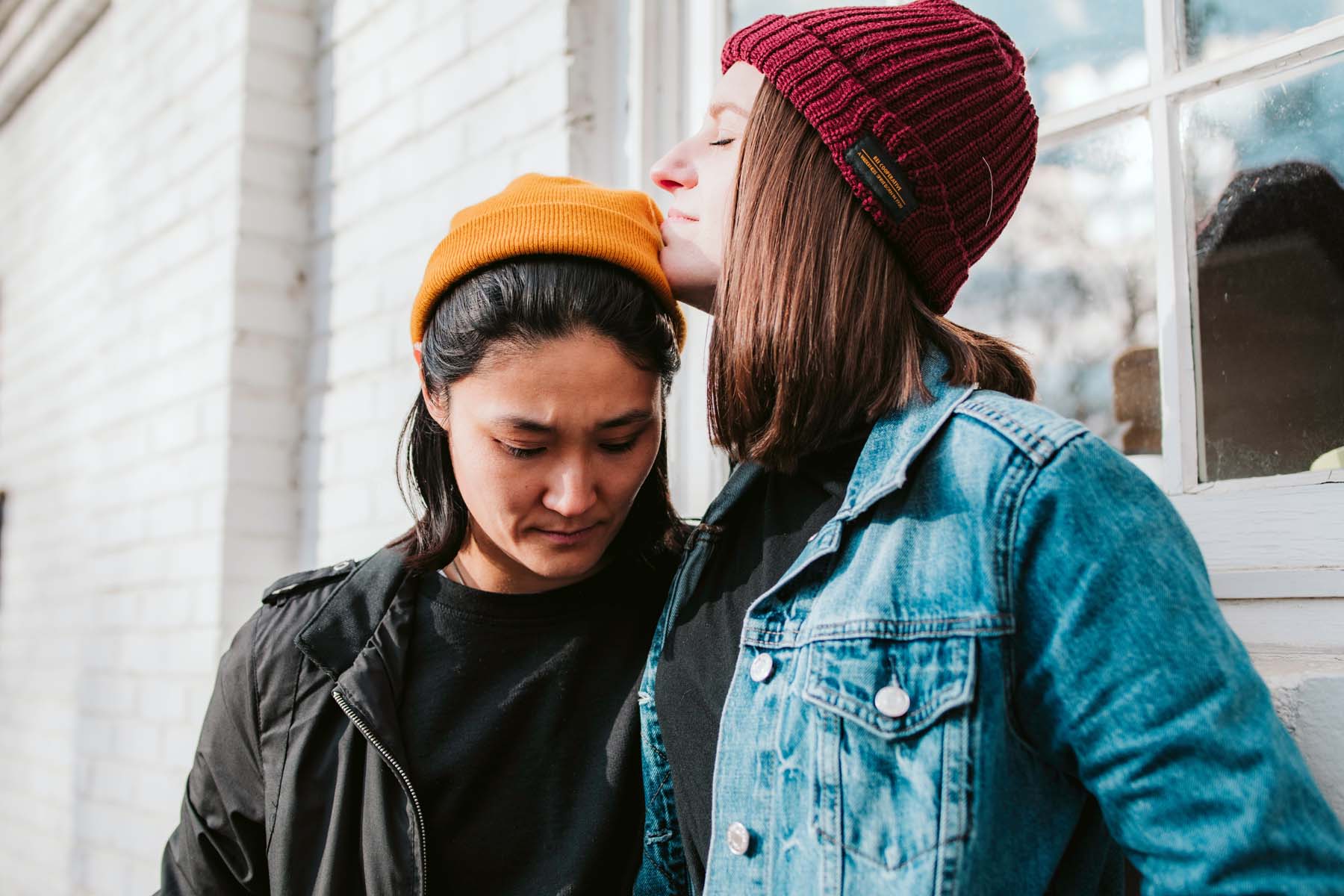
Often couples try their best to reconnect and sort through the disagreements but communication break down and misunderstandings can be rife and it can seem impossible to resolve the issues and find a way through.
This can result in both partners feeling lonely, disconnected and hopeless as the connection they once felt with each other seems so out of reach. Even though each partner is doing their best, attempts to reconnect and work through difficulties can result in more misunderstandings, arguments and an escalation of resentments and hurts which drive the couple further away from each other into a negative spiral which is the opposite of the closeness and connection that each partner yearns for.
Couples counselling offers a way through these difficulties, an opportunity to work through the problems that are causing distress. With the help of your therapist you can begin to understand the deeper reasons from both your present, and your past, for your complex reactions to each other. You will develop a deeper understanding of the often unknown and more vulnerable emotions underneath the reactions you have to each other. Your therapist will help to map out the negative cycles that you are falling into and how to work through these when they arise.
From a place of awareness and understanding of both yourself and your partner and with the knowledge of the negative relationship cycle you can begin to change the patterns in your relationship and move from conflict, distance and mistrust to a place of connection, intimacy and safety.
Couples counselling, relationship counselling or marriage counselling?
People use all three names, and they usually mean the same thing. Couples counselling, couples therapy, relationship counselling and marriage counselling all describe two people sitting down with a trained therapist to work on what is happening between them. You do not need to be married, engaged or living together, and you do not need to have been together for any particular length of time. If the relationship matters to you both, it is worth talking about.
Some couples come because something specific has happened. Others come because nothing in particular has happened and they have simply drifted, and neither of them quite knows how. Both are good reasons to come.
Some of the reasons couples come to us:
- Arguing about the same thing over and over without ever resolving it
- Communication that has broken down, or stopped altogether
- Feeling more like flatmates or co-parents than partners
- An affair, or a breach of trust that you cannot get past on your own
- Differences over parenting, money, in-laws or housework
- Sex and intimacy, or the loss of it
- Jealousy, insecurity and recurring suspicion
- The strain of a new baby, illness, bereavement or job loss
- Blended families and step-parenting
- Deciding whether to stay together, and separating well if you do not
- Preparing for marriage or for living together
What happens in a session
Sessions are usually 50 to 60 minutes, and most couples come weekly or fortnightly at the same day and time. Both partners normally attend together, though some therapists will meet each of you on your own once near the start to hear your side of things properly.
The first session is a conversation rather than anything formal. Your therapist will want to understand what has brought you both, how long it has been going on and what each of you is hoping for. You are not committing to anything by coming once, and it is fine to leave the first session and think about it. There is more in our frequently asked questions.
A couples therapist does not take sides and will not decide who is right. The work is on the pattern between you, not on winning the argument. That is often a relief to hear, because most couples arrive braced for a referee.
Fees, referrals and practical things
You do not need a referral and you do not need to see your GP first. Each therapist here works independently and sets their own fee, so the fee for couples work is best asked directly — contact details are on each therapist's profile page. If cost is a difficulty, we also run a low cost therapy service on a sliding scale.
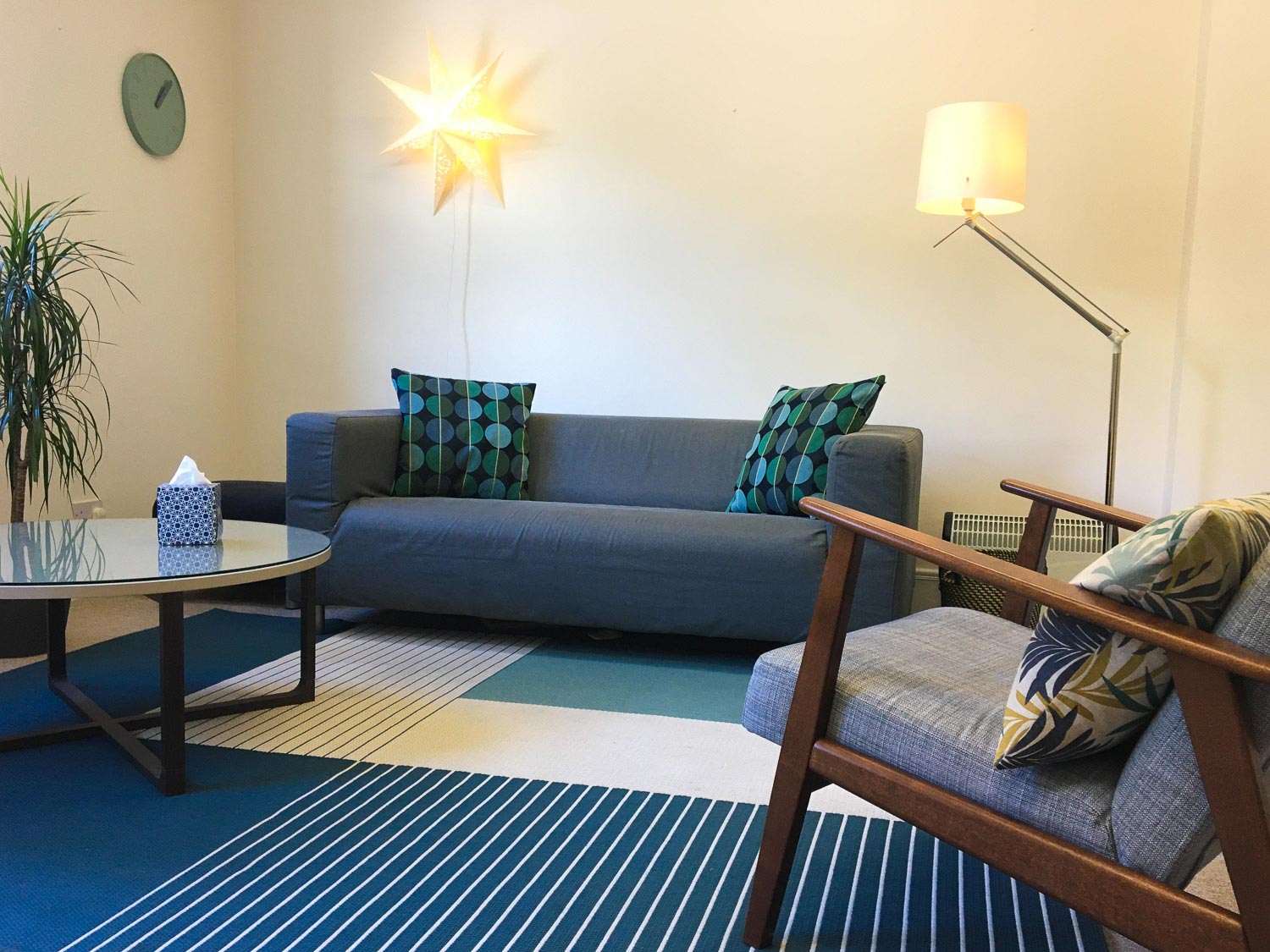
In-person sessions take place at 13 Fade Street, Dublin 2 or 37 Wexford Street, Dublin 2, both a few minutes' walk from Grafton Street and George's Street. The centres are open seven days, with evening appointments during the week, which matters when two people have to find the same free hour. Please note the rooms are reached by stairs only, as there is no lift.
If getting to the city centre together is the hard part, some of our therapists offer couples sessions by video. You can read more on our online therapy page.
Taking the first step
It is common for one partner to want counselling more than the other, and that is not a reason to put it off. Plenty of couples start with one person making the call. Our couples therapists are below, or use Find a Therapist to be matched on the days and times that suit you both. If you would rather ask a question first, contact us and we will point you in the right direction.
- Read about Individual Psychotherapy in Dublin.
- Read our guide to counselling in Dublin.
- Find out more about our Online Therapy options.
- Learn about our Low Cost Therapy service.


